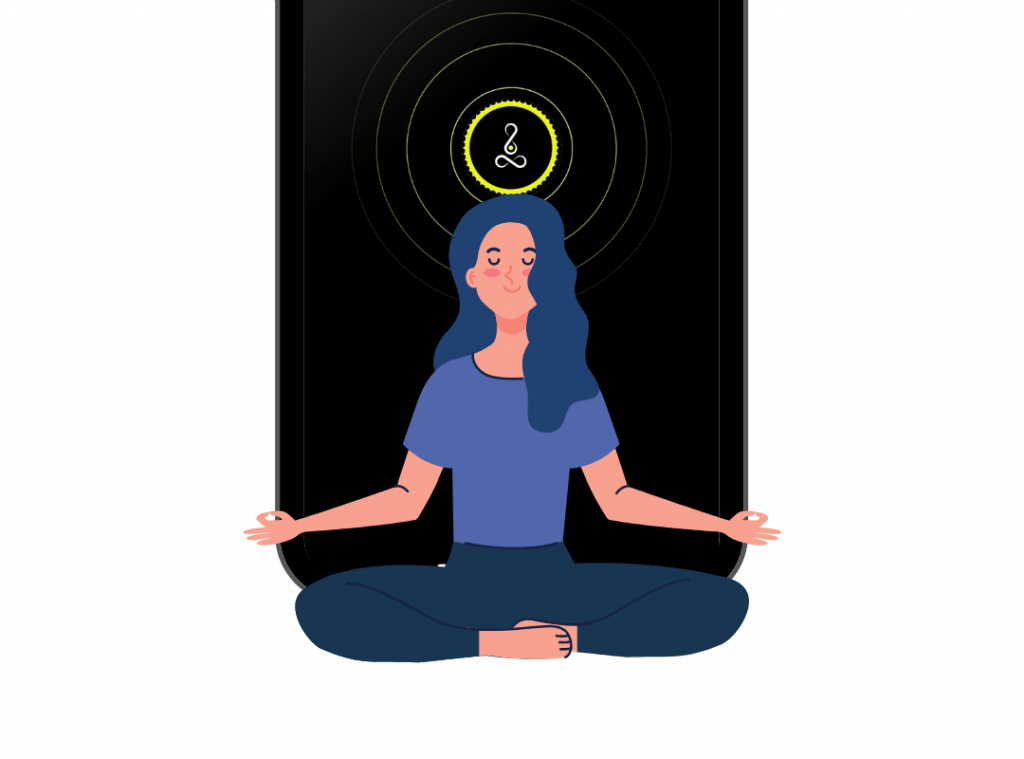

A proper meditation posture is one that allows the spine to remain naturally upright, supports the body securely, and lets the breath flow comfortably — it does not have to be full lotus or any other “sacred” ideal. Five common postures suit every level: full lotus, half lotus, sitting in a chair, kneeling in seiza, and lying on the back. Each posture can bring you into genuine meditation when practiced correctly.
Perhaps you have tried sitting in meditation only to experience numb legs and an aching back after a few minutes, then give up with the conclusion that “meditation is not for me.” In reality, the problem is often not the mind but the posture. When the body is unstable, the mind is repeatedly pulled toward uncomfortable physical signals. Meditation becomes a battle instead of a return.
Posture is not the goal — it is the foundation that allows the mind to settle. Choosing a posture suited to your body is the first step of wisdom.
Why Does Meditation Posture Matter?
In meditation, body and mind are inseparable. With a straight spine, full breathing, and smoothly flowing energy, the mind naturally settles more easily. Conversely, a curved back, closed shoulders, and contracted chest lead to shallow breathing; the body signals stress, and the mind struggles to stop.
This is not mystical. Try it now: sit hunched over and take a few breaths, then sit upright and breathe again. The feeling is completely different, is it not? That is why proper meditation posture is not mere “form” but a genuine foundation of practice.
5 Correct Meditation Postures—from Basic to Advanced
1. Sitting in a Chair — A Beginner's Posture
Sitting in a chair is not “second-class meditation.” It is an ideal posture for beginners and for people with knee or hip problems, and even long-term practitioners often use it for extended sessions.
How to do it correctly:
- Sit near the front edge of the chair without leaning against the backrest.
- Place both feet flat on the floor, shoulder-width apart.
- Thighs parallel to the floor, with knees at a 90-degree angle.
- Keep the spine naturally upright—not rigid or hunched.
- Place both hands palms down on your thighs or clasp them together.
- Tuck the chin in slightly, with the crown of the head pointing toward the ceiling.
Common mistakes: Leaning against the chair curves the spine. Feet not touching the floor (place a small cushion beneath them if needed). Shoulders raised by tension — deliberately release them before beginning.
2. Half Lotus (Easy Pose) — A Bridge between the Chair and Full Lotus
Half lotus is a floor-sitting posture with one leg folded inward and the other foot resting on the opposite thigh or calf. It is stable and suitable for most Vietnamese people whose hips are not yet sufficiently open.
How to do it correctly:
- Sit on a meditation cushion (zafu) or a folded cushion to raise your hips — this helps your knees reach the floor more easily.
- Left leg folded inward, right foot resting on the left shin or thigh.
- Ideally, both knees touch or nearly touch the floor.
- Spine upright, both hands resting on the thighs.
Common mistakes: Sitting upright on the floor without a cushion pulls your hips backward, causing your back to round automatically. The simplest solution: use a firm cushion or a thickly folded blanket to raise your hips about 5–10 cm above your knees.
3. Full Lotus — A Classic Posture That Requires Preparation
In full lotus, each foot rests on the opposite thigh, creating a stable triangle with the ground. It is structurally the most stable posture, but requires sufficient hip and knee flexibility.
How to do it correctly:
- Practice half lotus for several months before moving to full lotus.
- Right foot on the left thigh, left foot on the right thigh—both soles facing upward.
- A cushion or pillow beneath the hips is still needed to keep the spine naturally straight.
- Do not push your knees to the floor with your hands; let time and yoga or stretching develop that flexibility.
Common mistakes: Forcing full lotus before your hips are open enough is the shortest route to a knee injury. If your knees rise far above your hips in full lotus, return to half lotus.
Full lotus is not a destination, merely a means. The posture that best settles your mind is the right one for you now.
4. Kneeling (Seiza) — An Option for Those Who Struggle to Sit Cross-Legged
Seiza is a posture in which you sit on your heels or on a small V-shaped meditation bench, with both knees touching the floor. This posture is particularly suitable for people with stiff hips but healthy knees and ankles.
How to do it correctly:
- Kneel and place a meditation cushion or bench between your thighs and lower legs to support your weight.
- Spine upright, shoulders relaxed.
- If your ankles are stiff, you can place a rolled towel under the tops of your feet to reduce pressure.
Common mistakes: Sitting directly on your heels without cushioning quickly causes numbness and ankle pain. A small meditation bench can completely change this experience.
5. Lying on Your Back (Savasana) — When the Body Needs Complete Support
Lying on your back is a valid meditation position — particularly for body scans, deep relaxation meditation, or recovery from illness or injury. The only challenge with this position is how easily you may drift into sleep.
How to do it correctly:
- Lie straight, with your arms alongside your body or hands on your belly.
- Legs extended naturally, slightly turned outward.
- Keep your eyes slightly open, looking at the ceiling (rather than fully closed), if you tend to fall asleep.
- Stay alert by attending to the breath or bodily sensations—do not let the mind gradually drift away.
Common mistakes: Keeping your eyes fully closed in a warm, dark room — ideal conditions for sleep, not meditation. If you often fall asleep, switch to a sitting position.
Common Meditation Sitting Mistakes — and How to Adjust
Whatever posture you choose, some common mistakes appear in most beginners—and even longtime meditators:
- Spine curving backward: Usually caused by hips lower than the knees. Solution: raise your hips with a cushion or pillow.
- Chin jutting forward: It stretches the neck and causes fatigue. Gently tuck your chin, as though a thread were lifting the crown of your head.
- Raised, stiff shoulders: Inhale — exhale — drop your shoulders. Repeat three times before starting.
- Incorrect hand placement: Hands too high create shoulder tension; too low and the shoulders slump forward. Rest your hands on your thighs, near your lower abdomen.
- Forcing a posture beyond your limits: Sharp pain, especially in the knees, is a signal to make a change—not push through. Mild leg numbness is acceptable; piercing pain is not.
You do not have to conquer the posture. You are learning to listen to your body—that is already a step in meditation.
Practice Now: Adjust Your Posture in 90 Seconds
Wherever you are sitting—an office chair, the floor, or a meditation cushion—try this now:
- 10 seconds: Sit with your back straight, your hips supported by the chair or cushion. Keep both feet firmly on the floor.
- 10 seconds: Inhale — lift your shoulders — exhale — release them completely. Repeat twice.
- 10 seconds: Gently tuck the chin, feeling the crown rise softly. Do not stiffen.
- 10 seconds: Rest both hands on your thighs, palms down or gently clasped. Relax your fingers.
- Remaining 40 seconds: Close your eyes or lower your gaze to 45 degrees. Feel your breath coming in — going out. Nothing more is needed.
That is all. Ninety seconds. One proper posture—and the mind has begun to find room to breathe.
If you want to explore a systematic meditation method more deeply, the book Anyone Can Meditate by Teacher Saga may be a suitable companion to begin this journey.
Frequently Asked Questions about Meditation Posture
Frequently asked questions
Can I meditate in a chair, or must I sit in full lotus?
You can absolutely meditate in a chair — and it is often the best position for beginners or people with joint problems. What matters is an upright spine and a supported body, not the outward form of the posture.
Does correct meditation posture require closed eyes?
It is not required. You can close your eyes completely or leave them slightly open, looking down at the floor at about 45 degrees. Beginners may doze off with closed eyes; try a gentle downward gaze to stay alert.
What should I do if my legs go numb while meditating?
Mild numbness is normal and you can continue. If it becomes uncomfortable, move gently, stretch your legs, or switch to a chair. Raising the hips with a cushion usually resolves most leg numbness in half or full lotus.
How long should you meditate each day?
Begin with 5–10 minutes daily; consistency matters more than long sessions. Once your posture is stable and your mind adjusts, you can naturally increase to 20–30 minutes.
Is back pain during meditation caused by incorrect posture?
Usually, yes — most meditation-related back pain comes from a curved spine, hips below the knees, or sitting too long before back muscles are strong enough. Adjusting posture and using supportive cushions usually resolves it. For prolonged or severe pain, consult a doctor or physical therapist — this content shares practice, not a substitute for medical assessment.