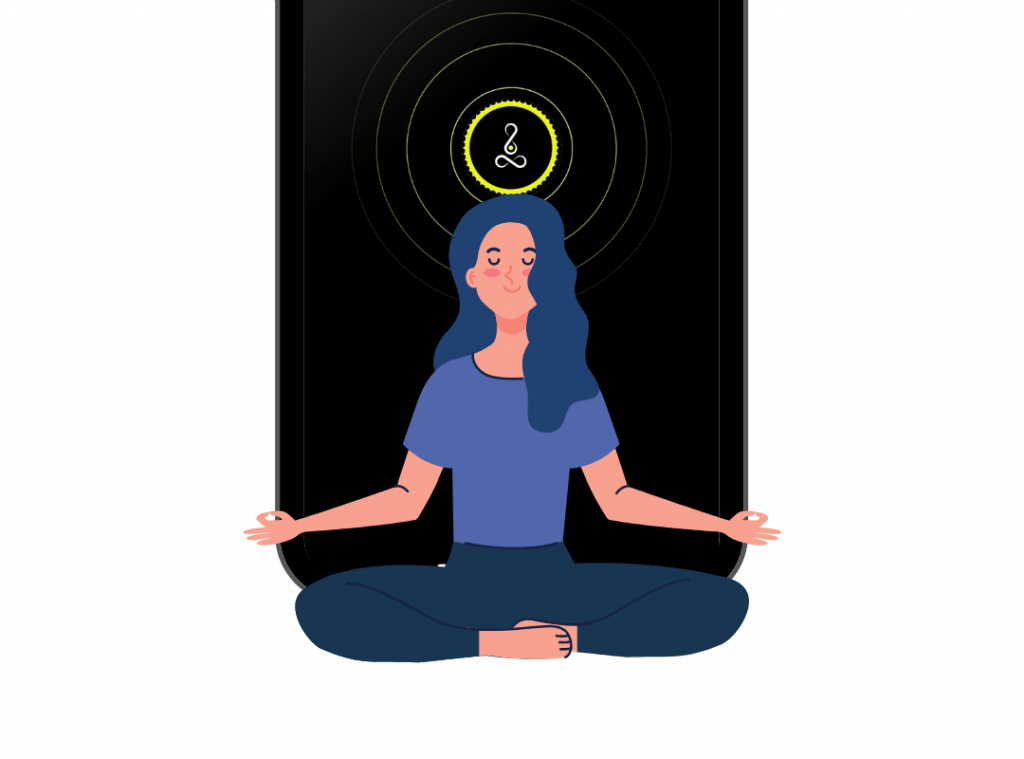

Is meditation during weather changes truly necessary?
Yes. Not for any mystical reason—but because your body really is affected whenever the seasons change, and meditation is one of the simplest ways to regulate that system. The breath is the bridge between a disrupted body and a mind seeking support.
You may once have noticed: whenever the weather turns windy, your head feels a little heavier, sleep becomes a little more restless, or your emotions suddenly become unsettled for no clear reason. You blame work or relationships—but sometimes the real culprit is a cold front moving through the city.
Nature and the human body are inseparable. This is physiology, not philosophy.
How Does the Body Respond to the Weather?
When the temperature drops suddenly, atmospheric pressure changes, or humidity rises, your autonomic nervous system has to work harder. Blood vessels constrict to conserve heat. Breathing tends to become shallower and faster. Cortisol, the stress-response hormone, may rise slightly. All of this happens below your conscious awareness, quietly but truly.
You may once have experienced mornings during seasonal changes when your mood felt heavy for no clear reason. You were not sad about anything specific. Just… heavy. Just… struggling to get going. That is not weakness—it is your body readjusting itself, and it needs your support rather than a fight.
The body never reacts without a reason. Every disruption is an attempt to tell you something.
The problem is that we often do not listen. We drink more coffee, force ourselves into productivity, and end exhausted without understanding why. Meditation during weather changes is not a ritual; it is a practical way to ease that burden.
Why Is Breathing the Most Effective Regulation Tool?
Throughout the human autonomic nervous system, breathing is the only function both automatic and consciously controllable. You cannot deliberately change heart rate or body temperature through willpower — but you can change your breathing immediately, right now, and thereby affect the whole system.
This is why, in Awakening Meditation, breathing is not merely a technique — it is a gateway to awareness. When you breathe more slowly and deeply, you activate the parasympathetic nervous system — the body's “rest and recovery” system. The heart rate steadies. Blood vessels dilate. The mind becomes less chaotic.
The breath is a language both body and mind understand. When you learn to speak it, you are no longer swept away by the weather — or any upheaval — without knowing where you are.
You are here. Or are you thinking of a meeting, an unanswered message, an approaching winter? This question is not for self-blame, but to recognize the gap between where you sit and where your mind wanders.
What Makes Meditation During Weather Changes Different from Ordinary Meditation?
Meditation is not leaving life behind — it is entering life deeply. Life includes chilly mornings, unexpected rainy afternoons, and scorching April heat.
Meditating during weather changes adds a layer of awareness to practice: recognizing that the body is adjusting, and staying with it rather than resisting or ignoring it. You observe without judgment. You breathe in the truth of the moment and breathe out what no longer needs holding.
This is Turning the Light Inward at the bodily level: Who is feeling this change? Who knows that you are tired, cold, or unsettled? When you ask that question and truly listen, you are no longer being swept away. You are the one watching the flow.
Four Signs Your Body Needs Regulation Now
- Shallow, rapid breathing: You tend to breathe into the chest rather than the abdomen, especially on cold mornings.
- A heavy head or tense neck and shoulder muscles: The body contracts to conserve heat, and tension often accumulates in the upper body.
- Unexplained mood fluctuations: Not sad about anything specific, but not happy either. Just… unsettled.
- Difficulty sleeping or shallow sleep: Your nervous system is working hard to adapt and has not yet had time to rest.
If you recognize at least two of the signs above in yourself, that is your body knocking at the door. You do not need to do anything complicated — just pause and breathe.
Note: If symptoms such as prolonged insomnia, persistent anxiety, or low mood affect daily life, this content offers information and supportive practice, not medical assessment. Consult a mental health professional for appropriate support — Inti Foundation can be a starting place.
Practice Now: A 5-Minute Breath-Regulation Practice During Seasonal Changes
You need no meditation cushion, incense, or perfectly quiet room. Just a seat and five minutes.
- Minute 1 — Notice: Sit with your back straight, both hands on your thighs, and eyes gently closed. Do nothing. Simply notice where your body is and what it is feeling. Cold? Tense? Tired? Name the sensation without judgment.
- Minute 2 — Inhale for a count of 4: Breathe in slowly through the nose, silently counting 1-2-3-4. Let your belly expand first, then your chest. This is belly breathing—the natural way of breathing most of us have forgotten.
- Minute 3 — Hold for a count of 4, exhale for a count of 6: After inhaling, hold gently for 4 counts. Then exhale slowly through your mouth (or nose) for 6 counts. Making the exhale longer than the inhale is the key to activating a peaceful state.
- Minute 4 — Repeat and let go: Continue the 4-4-6 breathing cycle. When thoughts arise — and they will — simply notice, then gently return to the breath. No need to chase thoughts away. Simply do not follow them.
- Minute 5 — Return: Release the counting cycle and let your breath become natural. Place one hand on your chest and the other on your abdomen. Feel your living body. Before opening your eyes, silently ask: How do I feel right now? And truly listen to the answer.
When you are quiet enough, someone within you always knows the answer.
This exercise is especially effective on cold mornings or midday when you begin feeling pulled in many directions. No need to do it perfectly. Just do it.
From Regulating the Body to Genuine Awareness
Meditation during weather changes is a doorway — one of many. When you begin recognizing the body's subtle, real responses to the outside world, you begin understanding that awareness is not a distant state reserved for those who have “practiced long enough.”
Awareness begins the moment you pause and notice. When you notice shallow breathing. When, instead of automatically blaming others or circumstances, you ask: What is really happening inside me right now?
Awakening is not becoming someone else — it is returning to yourself. Sometimes that journey begins on a chilly morning, with a breath you choose to slow rather than keep rushing.
It is not easy. But it is possible.
If you want to explore this path of practice more deeply, the book Anyone Can Meditate is a starting place — no lofty theory, just practical guidance for busy people, skeptics, and those with only five minutes each morning.
Happiness begins with One. With You. With Now.
Tạ Minh Tuấn (Saga)
Frequently asked questions
Does meditation during weather changes truly help the body?
Yes. When the weather changes, the autonomic nervous system works harder to adjust. Meditation and slow breathing activate the parasympathetic nervous system, helping stabilize the heart rate, relax muscles, and reduce underlying tension.
Why does mood change when the weather turns cold or rainy?
Changes in atmospheric pressure, temperature, and humidity directly affect bodily physiology — including cortisol levels and sleep quality. This can make emotions fluctuate without an obvious reason in external circumstances.
How long should I meditate each day to see benefits during seasonal changes?
Just 5 minutes of conscious belly breathing each morning is enough to begin. Consistency matters—5 minutes daily is worth more than 60 minutes once a week.
Can someone who has never meditated practice breathing regulation during weather changes?
Absolutely. Belly breathing with a 4-4-6 cycle requires no prior meditation experience. Simply sit quietly, follow the breath, and avoid judging yourself when thoughts arise.
Can meditation replace medication or a doctor’s visit when weather makes you feel unwell?
No. Meditation supports mental and physical well-being but does not replace medical treatment. For persistent symptoms such as severe insomnia, chronic anxiety, or physical health problems, see a healthcare professional for proper assessment.