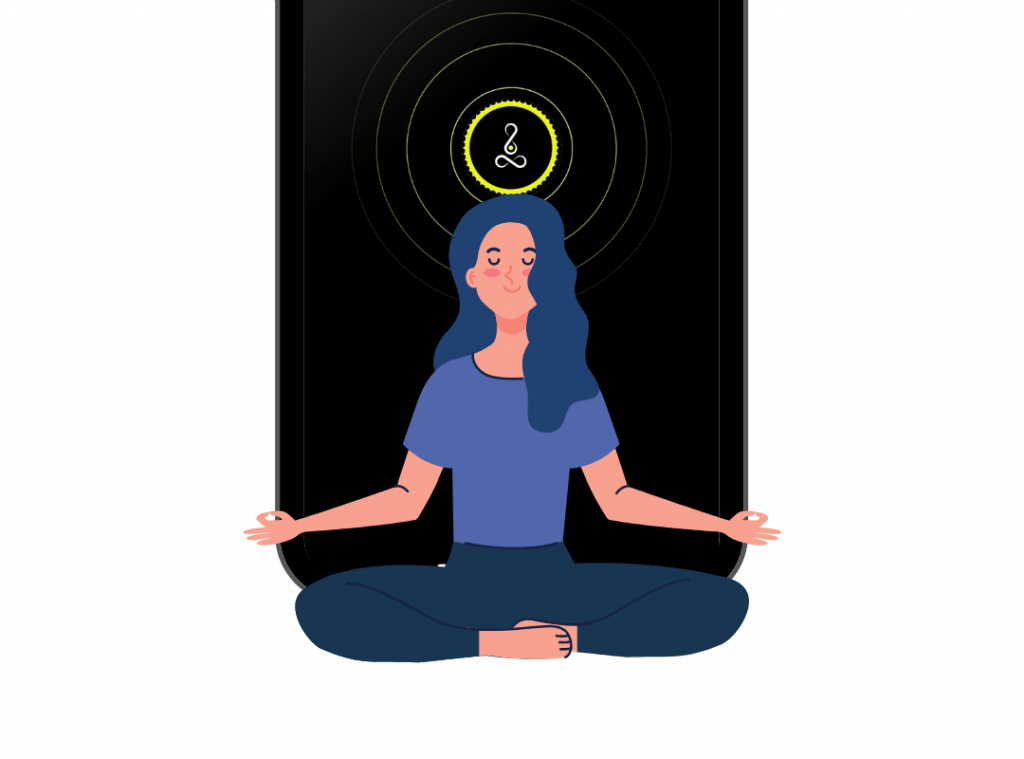

Can You Practice Vipassana Meditation at Home?
Yes. Vipassana meditation can absolutely be practiced at home, every day, within your normal rhythm of life. The essence of vipassana is contemplate reality as it is — and that reality is not in a meditation monastery, but in every breath, every sensation, every moment you are living.
Perhaps you have heard that vipassana “must” involve a 10-day course, “must” require complete silence, and “must” cut off all contact with the outside world. Those things are not wrong — a retreat offers a powerful environment for going deeper. But if you wait until you have 10 completely free days before beginning to meditate, you may wait forever.
Meditation is not leaving life behind — it is entering life more deeply.
What Is Vipassana Really? Do Not Confuse It with Technique
Vipassana — in Pali — is commonly translated as “clear seeing” or “insight”. It is not seeing with the eyes, but seeing with pure consciousness — look inward, into the nature of what is happening.
Many people learn vipassana as a technique: scanning the body from head to toe, noting sensations, labeling thoughts. These are good methods. But at a deeper level, vipassana is a the quality of awareness — the ability to sit still with reality without escaping, judging, or trying to change it.
When you understand this, you see that every moment of the day can be an opportunity to practice vipassana. From waking in the morning, sitting with coffee, and walking outside to laying your head on the pillow at night.
Why a 10-Day Retreat Is Not Mandatory
An intensive meditation retreat has undeniable value. The silent environment, collective discipline, and continuous guidance all create a “furnace” in which your mind settles more quickly. But one truth needs to be stated plainly:
The most powerful meditation space is not a meditation hall but your mind. And that mind follows you home.
You may once have attended a retreat and returned feeling light and peaceful—then, after a week or two, everything gradually went back to how it was. That does not mean the retreat was meaningless. It is because practice needs daily nourishment, just as a plant needs water, not one thorough soaking.
Vipassana at home is not a “cheap substitute” for a retreat. It is foundation — is the soil in which what you learned on retreat can take root and grow.
6 Foundations for Practicing Vipassana at Home
Below are six foundations for building a sustainable vipassana practice in your own living space. Perfection is unnecessary. You do not need all six from the start. Begin with one—then let it spread naturally.
1. Establish a Regular Quiet Period Every Day
Vipassana needs time set aside solely to sit and look. It does not have to be long — 20 minutes every morning is already a powerful commitment. Choose the same time and the same place to sit. This repetition creates a “signal” for the mind: this is when we stop and turn inward.
2. The Breath Is an Anchor
In vipassana, breath is not the final object, but the initial anchor. As you sit, attend to its points of contact: air entering the nose, chest expanding, abdomen lowering. Do not control. Simply observe.
When the mind wanders — and it will — simply return gently. Do not blame yourself. Do not become disappointed. That act of “returning” is vipassana happening.
3. Body Scan — Listen to What Your Body Is Saying
After settling with your breath, you can expand your attention to the whole body. Move your awareness from the crown of your head down to your feet, noting every sensation that arises: heat, cold, itching, tension, lightness, heaviness. Do not judge them as good or bad. Simply recognize: what is happening here.
The body is a repository—it holds what the mind has not finished processing. When you learn to listen to the body without reacting, you are practicing vipassana at a very deep level.
4. Recognize Emotions without Being Swept Away
Perhaps you have been sitting in meditation when sadness, irritation, or anxiety suddenly arose. Many people think: “I am meditating incorrectly.” That is not the case.
That is vipassana at work. The mind is showing you what was already there. The practice here is not to push the emotion away, but to sit with it — like a friend sitting beside you without needing to say anything or fix anything.
You are not that sadness. You are witnessing that sadness.
5. Bring Mindfulness into Daily Activities
Vipassana does not end when you rise from the cushion. Its most important part actually begins there.
If you are washing dishes, truly wash them. Feel the warm water, hear it running, watch the soap bubbles dissolve. If you are walking, truly take each step. Feel your heel touch the ground and your body weight shift.
This is not about awkwardly slowing everything down. This is be truly present in what you are doing. Each such moment is a small piece of vipassana woven into your day.
6. Turning the Light Inward—Who Is Aware of This?
This is the deepest level of home practice: a simple question that can change everything.
During the day, when a thought arises, an emotion appears, or a reaction threatens to erupt—pause for one second and ask: Who is aware of this?
That question needs no verbal answer. It only needs to be asked—and in asking, a quieter, clearer awareness appears, unswept by the story. This is the essence of vipassana: turning the light inward.
Practice Now: A 5-Minute Vipassana Exercise
You need no special preparation. Just 5 minutes and a quiet seat.
- Minute 1: Sit with your back straight, close your eyes or lower your gaze gently. Let three deep breaths pass — do not try to control them, just pay attention. Feel your belly rise and fall.
- Minutes 2–3: Gently scan from the crown of your head down to your feet. There is no need to go fast or slowly. Pause wherever you feel a distinct sensation — itching, tension, warmth, coolness. Simply note: “This feeling is present.” Then continue.
- Minute 4: If a thought arises, gently label it: “Thinking.” Do not judge or follow. Return to the breath.
- Minute 5: Ask silently: “Who is aware of this?” Hold the question quietly for 30 seconds. Do not seek an answer. Simply let the question open up.
After 5 minutes, gently open your eyes. There is no need to judge whether the session was good or bad. Simply know: you practiced.
Vipassana and Awakening Meditation — Their Meeting Point
If you want to explore the foundations of contemplation more deeply and find a systematized method for modern Vietnamese people, Awakening Meditation is a path worth exploring. Built on Buddhist meditation, including vipassana, it is designed for everyday practice without needing to leave everything behind to begin.
The nature of Awakening Meditation is also turning the light inward — recognizing the inner teacher always present and ready to guide, if you are quiet enough to listen.
When you are quiet enough, someone within you always knows the answer.
Common Obstacles When Practicing Vipassana at Home
You may once have tried and given up. Not because you lack the ability to meditate, but because of a few common misunderstandings:
- “I cannot turn off my thoughts.” — Vipassana does not require you to switch off thoughts. The only requirement is observe thoughts without being swept along. That difference is everything.
- “I cannot sit still.” — Restlessness and the urge to stand up are also objects of contemplation. Observe that restlessness instead of indulging it.
- “I am too busy; I do not have time.” — 5 minutes is enough to begin. You do not need an hour. You do not need perfection. What you need most is regularly.
- “Meditation keeps making me sleepy.” — Drowsiness signals that the body needs rest, or that the mind is resisting turning inward. Try meditating with your eyes slightly open and back straight, or switch to early morning.
Note: If you are experiencing anxiety, depression, or prolonged insomnia, meditation may support healing — but the guidance here is for practice and does not replace specialized medical care. For more serious cases, work with a psychologist or medical professional, and you can find additional support at Inti Foundation.
Start Today — Not After You Are “Ready”
There is no perfect time to begin. No “more ready” version of you is waiting somewhere in the future.
Home vipassana begins with one small decision: tomorrow morning, before opening your phone, spend 5 minutes sitting still and observing the breath. That is all. Build gradually from there — more time, depth, and self-understanding.
The jewel you seek is not at the end of a 10-day retreat. It is already here, waiting for you to see it.
It is not easy. But it is possible.
Tạ Minh Tuấn (Saga)
Frequently asked questions
Is home vipassana meditation as effective as attending a retreat?
Effectiveness depends on consistency, not location. Retreats provide a powerful environment for going deep quickly, but daily home practice is the foundation that allows those experiences to take lasting root.
How long should I practice vipassana meditation each day?
Starting with 5–20 minutes daily is enough. Consistency matters more than duration—10 minutes daily for a month is worth far more than one 2-hour session followed by giving up.
How does Vipassana differ from ordinary mindfulness?
Mindfulness is the shared foundation: nonjudgmental attention to the present moment. Vipassana goes deeper: beyond observing, it aims to see clearly the impermanent, non-self nature of all mental and bodily phenomena.
Can beginners learn vipassana at home independently?
You can begin with the basics—observing the breath, scanning the body, and acknowledging thoughts. When you want to go deeper, guidance or a systematic method can help you avoid common misunderstandings and progress further along the path.
What should I do if strong emotions surge during vipassana meditation at home?
That is a normal sign of contemplation. Observe the emotion as an object — recognize its presence without being drawn into its accompanying story. If the emotion is too intense and persists, seek support from a teacher or professional.