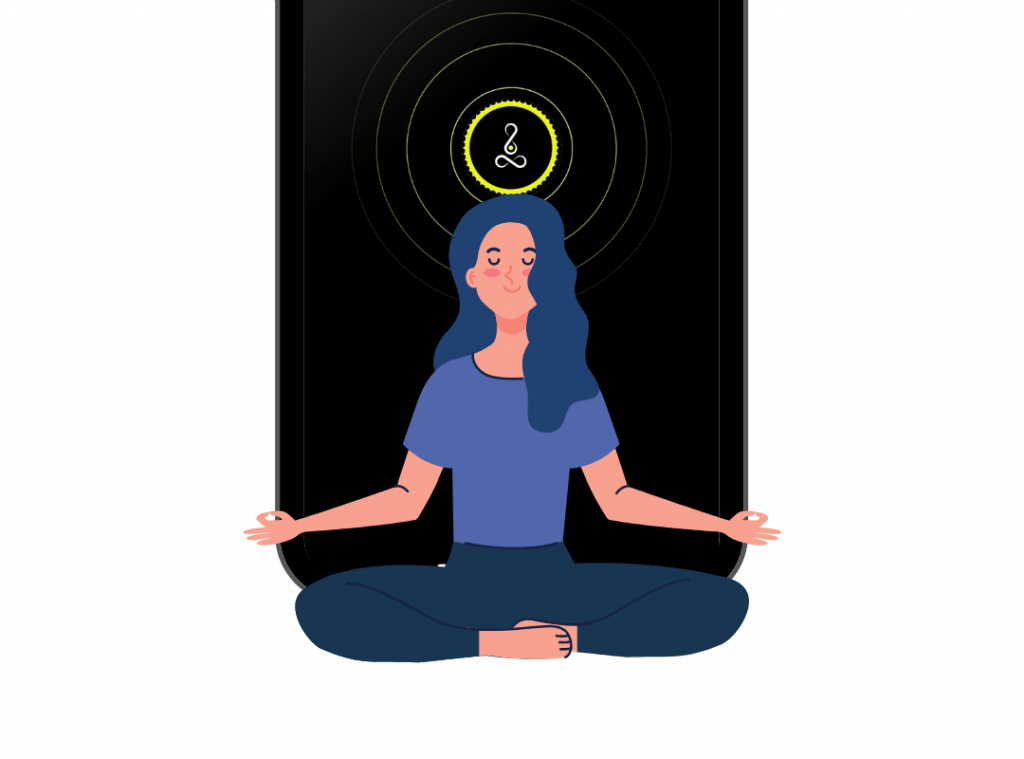

Breathing correctly for calm is simple: breathe deeply into the abdomen, let the diaphragm descend, and exhale more slowly than you inhale. This underpins both physiology and meditation—and you can do it in 90 seconds.
You may once have sat in the middle of a meeting with your chest tightening and your mind both blank and indescribably noisy. Or lain awake at 2 a.m., your mind racing with unresolved worries. You know you need to calm down—but calm is not a decision of willpower. It begins with something apparently mundane: breathing.
The breath is not a tool for escaping life — it is a doorway back into the depths of yourself.
1. Why the Way You Breathe Determines How You Feel
Most of us — especially under stress — breathe through the chest. Our shoulders rise, our chest expands, and our breaths are shallow and rapid. This is not a random bad habit; it is a survival reflex when the sympathetic nervous system (fight-or-flight) activates. The body thinks danger is present — even if that danger is merely a deadline or an unanswered message.
Shallow chest breathing sustains the stress loop. The brain receives the signal “rapid breathing = real danger” and continues releasing cortisol. Willpower cannot get you out, because it runs on that same nervous system.
Abdominal breathing — also called diaphragmatic breathing — does the opposite. As the diaphragm descends, abdominal pressure rises slightly, activating the vagus nerve and sending a signal directly to the brain: “It is safe now. I can rest.” The parasympathetic nervous system begins working. Your heart rate slows. Your shoulder muscles relax. Your mind begins to clear again.
This is not abstract meditation theory. This is basic physiology — and meditation has used this principle for thousands of years before science gave it a name.
2. How Does Belly Breathing Differ from Chest Breathing?
Place one hand on your chest and one on your belly. Take one normal breath. Which hand rises?
If the hand on your chest rises, you are chest breathing. If the hand on your belly rises, you are belly breathing.
Proper abdominal breathing means:
- On inhalation: the belly expands as the diaphragm descends, creating space for the lungs to expand fully
- On exhalation: the belly contracts as the diaphragm rises, pushing air out
- Shoulders and chest barely moving
- Exhale more slowly than you inhale — this is key to activating the parasympathetic system
Many people find it unfamiliar, even slightly awkward, on their first attempt — because their diaphragm has been “forgotten” after years of chest breathing. That is all right. It is a muscle, and muscles can be trained.
3. Belly Breathing Underpins Every Meditation—It Is Not a Separate Technique
In Awakening Meditation, the breath is not an isolated technical step—it is background on which the entire practice rests. Before observing the mind, letting go, or witnessing, you need an anchor. The natural, always-available anchor requiring no special equipment or space is the breath.
When you return to the breath, you return to this moment. And this moment — whatever it is — can always be borne.
Interestingly, you do not need to believe in any philosophy for belly breathing to work. It works physiologically first. Philosophy and deeper understanding come later, when the mind is still enough to receive them.
That is why people say: meditation begins with breathing. Not because tradition says so, but because it is the shortest path from “a racing mind” to “presence.”
4. The 4-6 Breathing Rhythm: The Simplest Formula for Calm
There are many breathing techniques—box breathing, 4-7-8 breathing, alternate-nostril breathing—but if you are stressed and need something immediately, simply, without memorizing steps — here is a sufficient formula:
- Breathe in (through the nose): 4 counts — the belly expands
- Exhale (through nose or mouth): 6 counts — the belly slowly falls
- Repeat 5–10 times
Exhale longer inhaling is the strongest activator of the parasympathetic system. Little more explanation is needed — your body understands before your head processes it.
A rhetorical question to try now: Are you breathing into your chest or abdomen while reading these lines?
5. Practice Now: 90 Seconds of Basic Belly Breathing
No meditation cushion, incense, or complete silence is needed. Just 90 seconds and a seat.
Step 1 — Orient yourself (15 seconds): Sit with your back straight and shoulders relaxed. Place one hand on your belly, just below your navel. Close your eyes or lower your gaze gently.
Step 2 — Be aware (15 seconds): Change nothing; just notice how you breathe. Does your hand on your belly move? Do your shoulders rise? Observe without judgment.
Step 3 — Switch to belly breathing (60 seconds—about 6 cycles):
- Breathe in through the nose, silently counting 1–2–3–4. Feel your belly expand, gently pushing against your hand.
- Exhale through your nose, silently counting 1–2–3–4–5–6. Let the abdomen fall slowly.
- Repeat. Nothing else is needed but feel the abdomen moves.
After 6 cycles, return to normal breathing and notice: is anything different? Are your shoulders a little lighter? Has your mind slowed down a little?
It is not easy. But it is possible. And just 90 seconds — you always have 90 seconds.
6. Belly Breathing in Real Life: Not Only during Meditation
You may once have thought: meditation is something you do on a cushion at 6 a.m., not in a tense meeting or in a car stuck in rush-hour traffic. That is not actually the case.
Abdominal breathing is a portable skill. It works:
- Before a difficult conversation
- When you feel an urge to react immediately but know you should not
- In an elevator, restroom, or car — anywhere you have 90 seconds
- Before sleep, when the mind refuses to switch off
Gradually, as belly breathing becomes your default habit, you will notice something interesting: you feel stressed less spread more. Not because life is less stressful, but because your nervous system no longer sounds the alarm at the first round of stimulation.
This is one of the foundations that Awakening Meditation builds from the very first step: not teaching you to escape emotions, but teaching you not to be swept away by them. The breath is the first anchor.
7. When Breathing Is Not Enough—What You Need to Know
Abdominal breathing is powerful, but it is not medicine. If stress persists, affects sleep or work, or leaves you feeling that no day is truly okay, that signals your body needs deeper support.
Important note: This article shares practices and does not replace medical assessment or psychotherapy. If you face chronic anxiety, depression, or serious mental health symptoms, consult a healthcare or psychological professional. Inti Care (inti.foundation) may be a resource to consider.
Abdominal breathing does not resolve the root wound. But it helps you become calm enough to see that wound instead of fleeing or being swept away by it. That is already a significant step.
Conclusion: Begin with One Breath
Happiness, peace, mindful awareness — these may all sound immense. Yet they begin with something very small: a breath that reaches the right place.
The abdomen expands. The diaphragm descends. The vagus nerve receives the signal. The brain breathes a sigh of relief.
You are not the worry running through your head. You are witnessing it—and the breath is the first space between you and it.
When you are quiet enough, someone within you always knows the answer. Belly breathing is how you begin listening to that person.
It is not easy. But it is possible.
Tạ Minh Tuấn (Saga)
Frequently asked questions
What is the fastest way to breathe correctly to become calm?
Abdominal breathing in a 4-6 rhythm: inhale for 4 counts, allowing the abdomen to expand, and exhale for 6 counts, letting it fall. A longer exhale than inhale activates the parasympathetic nervous system, helping the body shift from stress to calm.
How do abdominal and chest breathing differ?
Chest breathing is shallow, with rising shoulders — common under stress and sustaining the anxiety loop. Abdominal or diaphragmatic breathing is deep, with the abdomen expanding on the inhale — activating the vagus nerve and shifting the nervous system toward rest and recovery.
How long should I practice belly breathing daily for it to be effective?
Just 5–10 minutes daily is enough to build a habit. Even 90 seconds of conscious belly breathing, however, has an immediate effect in sudden stress.
Is abdominal breathing related to meditation?
Yes—belly breathing is the foundation of most meditation methods, including Awakening Meditation. It anchors attention, helping the mind avoid being swept away by thoughts and return to the present.
When should you see a professional instead of only practicing breathing?
If prolonged anxiety, insomnia, or stress affects daily life, belly breathing cannot replace professional support. Consult a doctor or psychologist — meditation practice and medical support can go hand in hand.