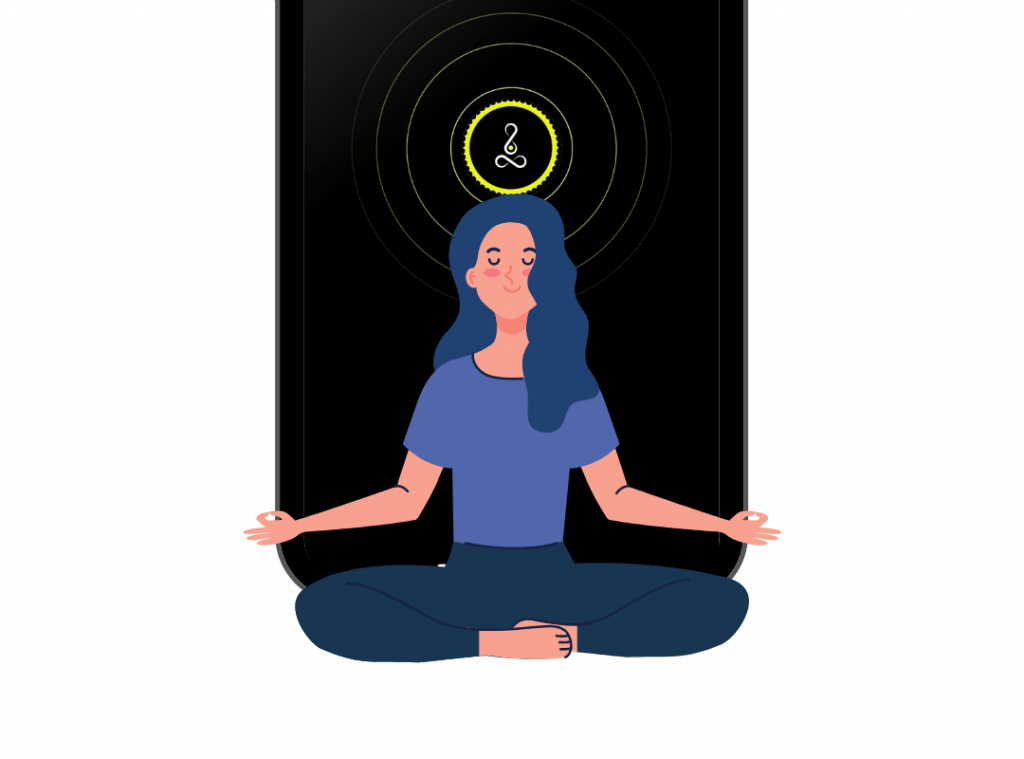

What Is Morning Meditation — And Why Are 5 Minutes Enough?
Morning meditation brings the mind into alert presence in the first minutes after waking — before the phone, before email, before the day’s whirlwind begins pulling you along. And no, you do not need an hour, a special meditation mat, or an entirely empty mind.
You may once have thought meditation was for people with plenty of time—those who leisurely sip coffee and watch the sunrise every morning. The reality is different. Most people who maintain a morning meditation practice are actually the busiest—because they understand that five minutes spent laying the foundation for the day are worth more than thirty minutes spent catching up and cleaning up the consequences of a disordered mind.
Meditation is not leaving life behind — it is entering life deeply. And your day begins the moment you open your eyes, not when you leave home.
Why is morning the “golden gate” to awakening?
Immediately after waking, the brain transitions between sleep and wakefulness: brainwaves remain slow, and the critical filter is not fully in place. This is when the mind is most receptive and easiest to orient.
If the first thing you do is open your phone, you are letting others — notifications, news, social media — set the mood and energy of your day. If the first thing you do is pause and breathe, you are choosing your own starting point.
This is not lofty theory. This is the physics of a day of life.
When you are quiet enough, someone within you always knows the answer.
Two common traps that prevent morning meditation
First trap: “I do not have time.” This usually means: “I have not decided that this is a priority.” Five minutes — even three minutes — is enough to make a difference if you practice correctly. Duration does not determine quality; presence does.
Second trap: “I meditate, but I cannot switch off my thoughts.” Meditation is not having no thoughts. It is recognizing that you are thinking — and gently returning. Thoughts are like clouds passing through the sky. The sky does not chase clouds away; it remains still and allows them to pass.
Are you there—or thinking about the nine o'clock meeting?
A 5-step morning meditation guide for busy people
Below is a simple practice framework you can begin tomorrow. No app. No equipment. Just you and your breath.
Step 1 — Pause before standing up (30 seconds)
When you first open your eyes, do not reach for your phone. Lie still for another thirty seconds. Notice: I am awake. Feel the weight of your body on the bed. This is not laziness—it is the first moment you choose to be present.
Step 2 — Sit up and settle into your posture (30 seconds)
Sit with your back straight on the edge of the bed or on the floor, with both hands on your thighs. You do not need to sit in full lotus. You do not need to cross your legs perfectly. Your spine only needs to be straight enough for you to breathe deeply.
Step 3 — Three intentional breaths (1 minute)
Inhale slowly — count 1, 2, 3, 4. Hold — 1, 2. Exhale very slowly — 1, 2, 3, 4, 5, 6. Repeat three times. With each exhalation, imagine releasing everything that followed you from sleep — dreams, worries, plans — letting it all flow out with your breath.
Step 4 — Turning the Light Inward: “Who is aware of this?” (2 minutes)
This is the heart of the practice. Instead of following the breath from outside, gently ask inwardly: “Who is sitting here? Who knows that I am breathing?” You need not find a rational answer. This question is like a flashlight turned inward, naturally returning attention to the one who knows, rather than becoming immersed in what is known.
This is one of the core steps of Awakening Meditation — a meditation method designed for modern people to practice amid busy lives, without ordination or withdrawal from the world.
Step 5 — Set an intention for the day (1 minute)
Before standing, ask a small question: “What energy do I want to bring into my encounters today?” Not a to-do list or sales target. Just one quality: calmness, presence, openness, patience — you choose.
Happiness begins with One. With You. With Now.
Practice Now: A 5-Minute Exercise Tomorrow Morning
Tonight, before bed, leave your phone across the room or at least out of reach. Set the alarm five minutes earlier than usual.
Tomorrow morning, when the alarm rings:
- 0:00–0:30 — Lie still without reaching for your phone. Recognize: I am awake.
- 0:30–1:00 — Sit up and settle into your posture.
- 1:00–2:00 — Three long, intentional breaths.
- 2:00–4:00 — Ask gently: “Who is sitting here?” Do not analyze. Simply feel the presence.
- 4:00–5:00 — Set an intention for the day. Stand up.
That is all. Imperfection is fine. No need for an empty mind. Just begin.
Can morning meditation really change anything?
This question often comes from the part of us that wants evidence before investing. That is entirely reasonable.
But consider the reverse question: you have tried starting your day by scrolling through social media notifications for the past ten years — how has that worked out? If the old formula has not brought you calm, focus, or a sense of control over your day, what do you lose by trying five minutes differently?
Change does not come from one magical morning. It comes from accumulated small choices, repeated again and again — like water softening stone through patience rather than force.
Both simple and not simple. Both within reach and requiring genuine commitment.
Awakening is not becoming someone else — it is returning to yourself.
When is morning meditation not enough?
Morning meditation nurtures mental health and presence. It is not medical treatment. If you experience prolonged anxiety, chronic insomnia, or depression, meditation can be a helpful companion — but cannot replace seeing a mental health professional. Consult a doctor or psychologist if you feel the need — that is the choice of someone who truly cares for themselves.
The next step if you want to go deeper
Five minutes in the morning is an entry point. But that doorway can open much wider.
If you want to understand how meditation is not simply a breathing technique but a journey of self-recognition — from the 6 steps of the Meditation Method and the 4 Levels of Consciousness to integrating awareness into work and life — you can begin exploring at Awakening Meditation.
It is not easy. But it is possible.
Tạ Minh Tuấn (Saga)
Frequently asked questions
How many minutes of morning meditation are needed for results?
Just 5 minutes of intentional practice each morning is enough to make a difference—the quality of presence matters, not duration. Once familiar, you can naturally extend it.
Can someone who has never meditated practice this?
Absolutely. Morning meditation as guided in this article requires no experience or background knowledge. You simply sit, breathe, and pay attention—anyone can begin there.
Must I sit in full lotus or have a special space?
No. Sitting on the edge of your bed, a chair, or the floor is fine, provided your back is straight and you feel comfortable. A quiet space helps but need not be perfect.
What if thoughts overwhelm me during meditation every morning?
That is normal — and in fact, that is meditation. Meditation is not having no thoughts, but noticing that you are thinking and gently returning to the breath or presence. Each moment of noticing is a successful practice.
How does morning meditation differ from ordinary mindfulness exercises?
Morning meditation in the Awakening Meditation Method goes beyond relaxation techniques — it aims to recognize the “one who knows,” turning the light of attention inward. This is the transition from technical mindfulness to true awakening.